

Artisan Baked Chewy Bagels bring bakery-quality goodness straight to your kitchen with a golden-crusted exterior, glossy sheen, and pillowy interior infused with sweet barley malt aroma. This recipe transforms warm, elastic dough into irresistible bagels by boiling them in malted water and baking until deeply browned and crisp. Whether you’re craving a hearty breakfast bread or a blank canvas for your favorite toppings, these homemade treats will delight your senses and earn a permanent spot in your morning routine.
Key Ingredients
Before you dive in, let’s gather the simple yet essential ingredients that make these Artisan Baked Chewy Bagels taste nothing short of amazing.
- 500 g bread flour: High-protein foundation that ensures a satisfyingly chewy texture and strong gluten network.
- 10 g sugar: Sweet element that feeds the yeast and balances the malt’s earthiness.
- 7 g instant yeast: Reliable leavening agent that kickstarts dough rise quickly.
- 10 g salt: Enhances flavor and regulates gluten development for a better crumb.
- 300 ml warm water: Activates the yeast and hydrates the dough for smooth mixing.
- 1 tbsp barley malt syrup: Feeds yeast in the dough and adds a subtle malty sweetness.
- 2 l water: Boiling medium to give bagels their signature crisp crust.
- 2 tbsp barley malt syrup: Boosts browning and flavor in the boiling liquid for a glossy finish.
- 1 tsp baking soda: Raises pH for a chewier crust and deeper Maillard browning.
How To Make Artisan Baked Chewy Bagels
Baking these bagels involves a classic two-step process of dough preparation followed by boiling and baking to achieve that signature chew and shine. From mixing a shaggy dough to giving it its distinctive ring shape, each step builds on the last to develop flavor, texture, and that irresistible crust. Follow the detailed instructions below to master the art of bagel-making at home.
1. In a large bowl, combine 500 g bread flour, 10 g sugar, 7 g instant yeast, and 10 g salt until evenly distributed.
2. Mix 300 ml warm water with 1 tbsp barley malt syrup, then pour into the dry ingredients and stir with a wooden spoon.
3. Stir until a shaggy dough forms, then transfer to a lightly floured surface and knead for 8 to 10 minutes until smooth and elastic.
4. Place the dough in a lightly oiled bowl, cover with plastic wrap or a damp towel, and let rise in a warm spot for 1 hour or until doubled in size.
5. Gently punch down the dough, divide it into 8 equal pieces, and roll each into a tight ball to build surface tension.
6. To shape bagels, poke a hole through the center of each ball, then rotate and stretch gently until each ring measures about 10 cm across.
7. Cover shaped bagels with a clean towel and rest for 20 minutes to relax the gluten and improve oven spring.
8. Preheat the oven to 220°C (425°F). Meanwhile, bring 2 l water, 2 tbsp barley malt syrup, and 1 tsp baking soda to a rolling boil in a large pot.
9. Boil bagels two or three at a time for 1 minute per side, using a slotted spoon to flip and then remove them. Drain briefly on a wire rack.
10. Transfer boiled bagels to a parchment-lined baking sheet, spacing them evenly for hot air circulation, and bake for 20–25 minutes until deep golden brown.
11. Let bagels cool on a wire rack before slicing or serving to preserve that crisp crust.
Serving Suggestions
Once your bagels come out of the oven with a deep golden color and glossy crust, it’s time to think of some delicious ways to enjoy them. Whether you’re after a traditional breakfast, a savory snack, or something unexpected, these bagels provide a versatile base. Here are four fun ideas to make the most of your freshly baked creations and ensure every bite showcases that chewy crumb and caramelized sheen.
- Spread each bagel half with a generous layer of cream cheese, top with thinly sliced smoked salmon, red onion rings, and capers for a classic lox bagel experience.
- Slice and toast bagels until crisp, then assemble a hearty breakfast sandwich with fluffy scrambled eggs, melted cheese, and crispy bacon or sautéed veggies.
- For an afternoon treat, turn bagels into pizza bagels by adding tomato sauce, shredded mozzarella, and your favorite toppings before a quick bake to melt the cheese.
- Transform leftover bagels into breadcrumb topping by toasting and pulsing them in a food processor—perfect for adding crunchy texture to casseroles or salads.
Tips For Perfect Artisan Baked Chewy Bagels
These practical tips are your backstage pass to flawless bagels every time. From selecting the right flour to maximizing that glossy finish, small tweaks can make a world of difference. Keep these insider pointers in mind as you mix, proof, and bake your way to bakery-quality results.
- Use high-protein bread flour for the best chewy texture.
- Boiling with malt syrup and baking soda gives a glossy, crisp crust.
- Allow bagels to rest briefly after shaping for a more even oven spring.
- Store cooled bagels in an airtight container to maintain freshness.
How To Store It
Preserving the fresh-baked quality of these bagels means paying attention to storage right after they’ve cooled. Proper storage methods help keep that crisp crust and tender crumb intact, whether you’re saving them for the next day or stocking up for the week ahead. Here are a few tried-and-true strategies.
- Room-temperature airtight container: Once completely cooled, store in a sealed container or resealable bag at room temperature for up to two days.
- Freezing extras: Wrap individual bagels tightly in plastic wrap and place them in a freezer-safe bag; they’ll keep for up to three months.
- Refrigerated dough for next day baking: If you’d rather bake fresh in the morning, place the shaped bagels (before boiling) in the fridge overnight; allow them to come to room temperature before boiling and baking.
- Refreshing frozen bagels: To serve, thaw at room temperature and then reheat in a 180°C (350°F) oven for about 5–10 minutes to restore that crisp crust and chewy interior.
Frequently Asked Questions
Got questions? Here are some of the most common ones home bakers ask about crafting perfect chewy bagels:
- Q: Why is high-protein bread flour recommended instead of all-purpose flour?
Bread flour has a higher gluten-forming protein content, which develops the strong gluten network needed for the characteristic chewy, elastic crumb of a true bagel. All-purpose flour contains less protein, so using it alone may yield a softer, less resilient texture. If you must substitute, blend all-purpose flour with vital wheat gluten, but expect slightly different results.
- Q: What roles does barley malt syrup play in both the dough and the boiling liquid?
In the dough, the malt syrup feeds the yeast, promoting fermentation and adding a subtle malty sweetness. When added to the boiling water, it boosts browning reactions and creates that signature glossy, crisp crust by encouraging Maillard reactions and providing sugars on the surface to caramelize.
- Q: Why is baking soda added to the boiling water, and can I omit it?
Baking soda raises the pH of the boiling water, simulating a mild lye bath. This alkaline environment gelatinizes the starch on the bagel exterior more effectively, yielding a chewier crust and enhancing browning. Omitting it will still produce edible bagels, but the crust will be paler, softer, and lack the classic snap.
- Q: How crucial is the 20-minute rest after shaping the bagels?
Allowing the shaped bagels to rest for 20 minutes lets the gluten relax and prevents excessive spring or distortion during boiling and baking. This resting phase promotes more even oven spring, helping the bagels hold their ring shape and ensuring consistent texture throughout.
- Q: Can I add toppings such as poppy seeds or sesame seeds, and when should I apply them?
Yes. After you remove the bagels from the boiling water and let them drain briefly on a wire rack, gently press your chosen toppings onto the wet surface before transferring them to the baking sheet. The residual moisture ensures the seeds adhere and bake into the crust rather than falling off.
- Q: Is it possible to prepare the dough ahead of time or freeze the bagels?
You can retard the first rise by covering the dough and refrigerating it overnight; bring it to room temperature, punch down, shape, and proceed with boiling and baking the next day. For completed bagels, cool completely, then freeze in an airtight container. To serve, thaw at room temperature and refresh in a 180°C (350°F) oven for about 5 minutes.
- Q: How should I store baked bagels to maintain their freshness and texture?
Once fully cooled, place bagels in an airtight container or resealable bag at room temperature; they’ll stay fresh for up to two days. After that, transfer any extras to the freezer. When ready to enjoy, reheat from frozen by wrapping in foil and baking at 180°C (350°F) for 10–12 minutes to restore chewiness and crisp crust.
What Makes This Special
These Artisan Baked Chewy Bagels shine thanks to a perfect marriage of simple ingredients and time-honored techniques—from using high-protein flour for that legendary chew to boiling in malted, alkaline water for a glossy snap. They work because each step builds flavor, texture, and a crackling crust that you’ll want to show off. Feel free to print and save this recipe for your next baking session, and drop a comment below with your results or any questions. I can’t wait to hear how your bagels turn out!
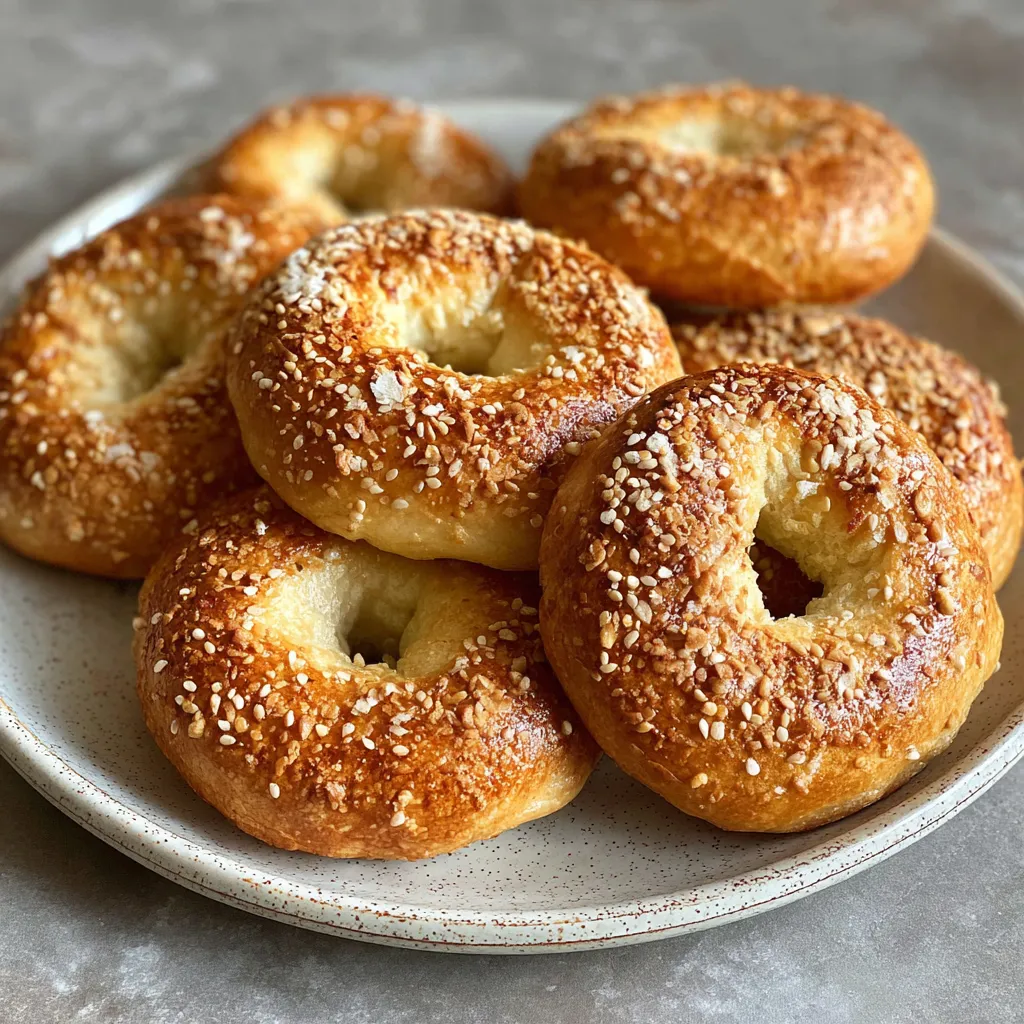

Artisan Baked Chewy Bagels
Description
Warm, elastic dough transforms into golden bagels with a crackling crust and pillowy interior. Boiled in malted water and baked to deep brown perfection, each bite offers a sweet, toasty aroma and satisfyingly chewy texture.
Ingredients
Instructions
-
In a large bowl combine bread flour, sugar, instant yeast, and salt.
-
Mix warm water with 1 tablespoon barley malt syrup and add to the dry ingredients.
-
Stir until a shaggy dough forms, then knead on a lightly floured surface for 8 to 10 minutes until smooth and elastic.
-
Place the dough in a lightly oiled bowl, cover, and let rise in a warm place for 1 hour or until doubled in size.
-
Punch down the dough and divide into 8 equal pieces, rolling each into a ball.
-
Shape each piece into a bagel by poking a hole through the center and stretching it gently.
-
Cover shaped bagels and let rest for 20 minutes.
-
Preheat the oven to 220°C (425°F). Meanwhile, bring 2 liters of water, 2 tablespoons barley malt syrup, and baking soda to a rolling boil in a large pot.
-
Boil bagels, two or three at a time, for 1 minute on each side, then remove with a slotted spoon and drain on a wire rack.
-
Place boiled bagels on a parchment-lined baking sheet and bake for 20 to 25 minutes until deep golden brown.
-
Cool on a wire rack before serving.
Nutrition Facts
Serving Size 8
- Amount Per Serving
- Calories 33kcal
Note
- Use high-protein bread flour for the best chewy texture.
- Boiling with malt syrup and baking soda gives a glossy, crisp crust.
- Allow bagels to rest briefly after shaping for a more even oven spring.
- Store cooled bagels in an airtight container to maintain freshness.

