

Spicy Szechuan Stir-Fried Chow Mein takes humble egg noodles on a fiery journey with numbing Szechuan peppercorns and crisp vegetables. Whether you’re craving a weeknight pick-me-up or want to impress guests, this dish delivers bold, tongue-tingling flavor thanks to a chili bean paste sauce that clings perfectly to every strand. Fresh carrots, bell pepper, cabbage, and scallions add crunch and color, while cilantro and sesame oil finish it off. Ready to spice up dinner tonight?
Key Ingredients
To make this Spicy Szechuan Stir-Fried Chow Mein shine, you’ll need a concise roster of ingredients that deliver heat, aroma, and texture.
- 8 oz egg noodles: The chewy foundation that soaks up the spicy, savory sauce.
- 2 tbsp vegetable oil: Neutral-fat medium for high-heat stir-frying.
- 1 tbsp Szechuan peppercorns crushed: Provides that signature numbing tingle and floral aroma.
- 8 dried red chilies: Infuses vibrant heat and smoky undertones.
- 3 cloves garlic minced: Delivers pungent depth and aromatic warmth.
- 1 tbsp ginger minced: Lends bright, peppery spice to the base.
- 3 tbsp chili bean paste: Rich, pungent sauce component packed with fermented chili flavor.
- 2 tbsp soy sauce: Adds savory saltiness and umami complexity.
- 1 tbsp rice vinegar: Introduces a sharp, balancing tang.
- 1 tsp sugar: Softens and rounds out the spice with a hint of sweetness.
- 1/2 tsp salt: Ensures all flavors are properly seasoned.
- 1/4 cup sliced carrots: Bright color and crisp bite.
- 1/4 cup sliced bell pepper: Adds sweetness and vivid crunch.
- 1/4 cup shredded cabbage: Provides extra texture and subtle earthiness.
- 1/4 cup sliced onion: Contributes gentle sweetness and depth.
- 2 scallions chopped: Fresh, mild onion flavor as a finishing touch.
- 1 tsp sesame oil: Nutty drizzle for aromatic richness.
- 2 tbsp fresh cilantro chopped: Bright herbal garnish to lift the dish.
How To Make Spicy Szechuan Stir-Fried Chow Mein
Stir-frying Spicy Szechuan Stir-Fried Chow Mein is all about heat, timing, and layering flavors. You’ll start by cooking noodles to al dente, then bring your wok to scorching temperature for quickly toasting spices and aromatics. A vibrant sauce of chili bean paste, soy, and vinegar clings to crisp-tender vegetables before you toss in the noodles. Finish by folding in green onions and drizzling sesame oil for a glossy, fragrant flourish that turns simple ingredients into a fiery, restaurant-quality bowl.
1. In a large pot of rapidly boiling water, cook the egg noodles until al dente, about 3–4 minutes; drain, rinse briefly under cold water, toss with a little oil, and set aside.
2. Heat a clean, dry wok over medium heat, then dry-toast the crushed Szechuan peppercorns and dried red chilies for about 1 minute, stirring constantly until fragrant; remove the peppercorns and set aside.
3. Add the vegetable oil to the hot wok and stir-fry the minced garlic and ginger for 20–30 seconds until aromatic and lightly golden.
4. Stir in the chili bean paste, soy sauce, rice vinegar, sugar, and salt, mixing thoroughly to create a smooth, glossy sauce.
5. Add the sliced carrots, bell pepper, cabbage, and onion to the wok and stir-fry for 2–3 minutes, tossing constantly to achieve a tender-crisp bite.
6. Return the noodles to the wok, pour the sauce over them, and toss vigorously with tongs or chopsticks to coat every strand evenly.
7. Sprinkle in the chopped scallions and drizzle the sesame oil, then give everything one last toss to meld flavors and aromas.
8. Transfer the chow mein to a serving dish and garnish with fresh cilantro before digging in.
Serving Suggestions
Spicy Szechuan Stir-Fried Chow Mein is spectacular on its own, but pairing it thoughtfully brings out new layers of flavor and texture. Whether you want to cool down the heat, add some crunch, or round out the meal with a refreshing bite, these serving ideas will elevate your feast. Here are four simple suggestions that turn this bold noodle dish into a memorable dining experience with complementary contrasts and delightful finishes.
- Serve alongside quick-pickled cucumbers for a crisp, tangy counterpoint that cuts through the spice.
- Offer a side of steamed dumplings filled with pork or vegetables to add a tender, savory balance.
- Sprinkle extra toasted sesame seeds and chopped peanuts on top for earthy nuttiness and crunch.
- Pair with a light cucumber salad dressed in rice vinegar, sesame oil, and sugar for a cooling, bright side.
Tips For Perfect Spicy Szechuan Stir-Fried Chow Mein
Ready to nail the perfect Spicy Szechuan Stir-Fried Chow Mein? Follow these tips to achieve that authentic, mouth-tingling experience every time. Whether you crave bold spice or a gentler kick, dialing in your ingredients and timing will make every bite shine. By bringing your wok to searing heat, toasting spices just right, and using fresh noodles when possible, you’ll preserve that ideal texture and aroma. These friendly pointers are designed to help home cooks unlock restaurant-quality flavor with minimal fuss.
- Adjust the number of dried chilies: Add or remove chilies (or remove seeds) based on your spice tolerance to hit the perfect heat level.
- Toast the Szechuan peppercorns well: Dry-toast them until fragrant to maximize their signature numbing effect without charring.
- Use fresh chow mein noodles if available: They deliver superior chew and resist turning limp when tossed in the wok.
- Serve immediately: Plate the chow mein right away to keep the noodles springy and avoid any soggy disappointment.
How To Store It
After such a zesty feast, you might find leftovers. Proper storage preserves that bold flavor and ideal texture, so follow these simple methods that fit busy schedules. Whether you plan to meal-prep for the week or save a lunch for tomorrow, these tips will help you maintain the dish’s integrity and keep every bite as exciting as the first.
- Refrigerate in an airtight container: Allow the chow mein to cool to room temperature before sealing to prevent moisture buildup; store for up to 2 days.
- Reheat in a hot wok or skillet: Add a splash of oil or water, then stir-fry over medium-high heat until piping hot and gently revived.
- Freeze in portions: Place cooled chow mein in freezer-safe bags or containers, removing excess air; freeze for up to 1 month and thaw overnight in the fridge.
- Avoid microwave sogginess: If you must microwave, cover loosely with a damp paper towel and heat in short intervals, stirring between bursts to distribute warmth.
Frequently Asked Questions
Got questions about mastering this spicy noodle adventure? Here are the most common queries, answered in a pinch.
- How can I adjust the heat level of the Spicy Szechuan Stir-Fried Chow Mein?
You can control the spiciness by varying the number of dried red chilies and the amount of chili bean paste. For a milder dish, remove the seeds from the chilies or use fewer chilies and reduce the chili bean paste to 2 tablespoons. For extra heat, leave the seeds intact and add an additional dried chili or a pinch of crushed red pepper flakes when stir-frying.
- What’s the best way to keep the noodles from becoming soggy?
To maintain a firm, springy texture, cook the egg noodles just until al dente in rapidly boiling water, then drain them immediately and rinse briefly under cold water. Toss the drained noodles with a small drizzle of vegetable oil to prevent sticking and set them aside so they don’t continue to absorb moisture before stir-frying.
- Can I substitute other types of noodles if I don’t have egg noodles?
Yes, you can swap in fresh chow mein noodles, lo mein noodles, or even rice noodles if needed. Adjust the cooking time according to the package instructions. For rice noodles, soak them in warm water until pliable, then stir-fry quickly to prevent them from breaking down.
- What proteins pair well with this recipe?
This stir-fry works beautifully with thinly sliced chicken breast, beef flank steak, or shrimp. Marinate the protein in a teaspoon of soy sauce and a pinch of cornstarch for five minutes, then stir-fry it in the wok before cooking the vegetables. Remove it once it’s almost cooked through, then add it back in when you return the noodles for a perfectly balanced dish.
- How do I prepare the vegetables for even cooking?
Slice the carrots, bell pepper, and onion into uniform thin strips so they cook at the same rate. Shred the cabbage finely and chop scallions on a slight diagonal for color and texture contrast. Having all vegetables prepped and ready before heating the wok ensures a quick, high-heat stir-fry that preserves crisp-tender veggies.
- Why do I need to dry-toast the Szechuan peppercorns and chilies first?
Dry-toasting the peppercorns and chilies in the wok for about one minute activates their essential oils and intensifies their aroma, giving you that signature numbing tingle and smoky depth. Be sure to shake the wok constantly to prevent burning, then remove the peppercorns to avoid an overly bitter taste.
- How should leftovers be stored and reheated?
Allow the chow mein to cool slightly before transferring it to an airtight container. Refrigerate for up to two days. To reheat, use a hot wok or nonstick skillet with a splash of vegetable oil over medium-high heat, stirring frequently until the noodles and vegetables are heated through. Adding a few drops of water can help revive moisture without making the dish soggy.
- What garnishes or side dishes complement this chow mein?
Fresh cilantro and chopped scallions sprinkled on top add brightness, while a side of pickled cucumbers or quick-pickled radish balances the heat with tang. You can also serve it alongside steamed dumplings or a light cucumber salad dressed with rice vinegar, sesame oil, and a pinch of sugar for a complete Szechuan-inspired meal.
What Makes This Special
With its lively combination of numbing peppercorns, fiery chilies, and crisp veggies, this Spicy Szechuan Stir-Fried Chow Mein proves that a simple noodle dish can pack a punch and still satisfy every craving for texture and taste. The magic lies in toasting spices, balancing tangy rice vinegar with savory soy, and adding crunchy, vibrant vegetables. Go ahead—print this recipe, save it for your next spice craving, and swap stories in the comments about how you made it your own. Questions or victories? Drop a note below; I’d love to hear how your wok got wild!
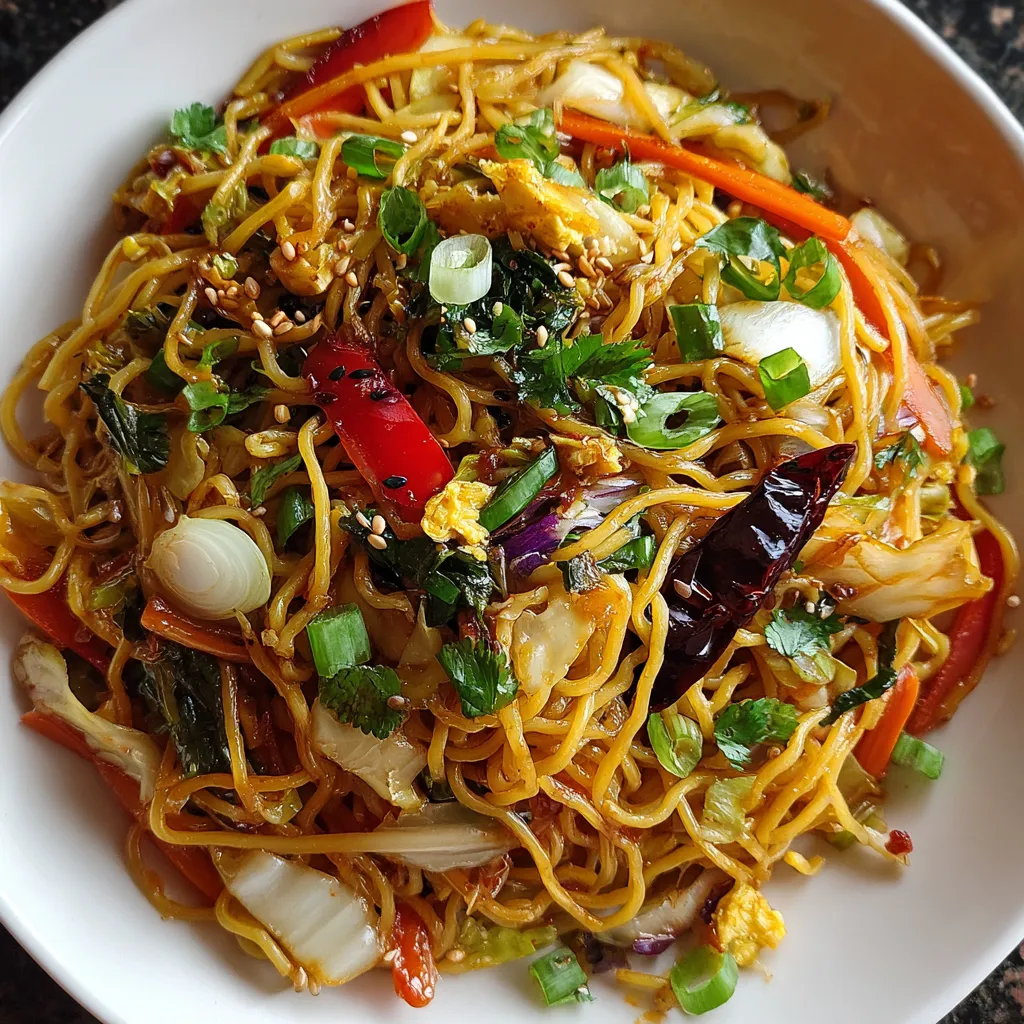

Spicy Szechuan Stir-Fried Chow Mein
Description
Bold Szechuan peppercorns crackle with spice as tender egg noodles mingle with crisp carrots, peppers, and cabbage in a fiery chili bean paste sauce. Each bite leaves your tongue buzzing and craving more.
Ingredients
Instructions
-
Cook egg noodles in boiling water until al dente, drain and set aside.
-
Heat a wok over medium heat and dry-toast Szechuan peppercorns and dried chilies for 1 minute, then remove peppercorns and set aside.
-
Add vegetable oil to the wok and stir-fry garlic and ginger until fragrant.
-
Stir in chili bean paste, soy sauce, rice vinegar, sugar, and salt to form the sauce.
-
Add carrots, bell pepper, cabbage, and onion and stir-fry for 2–3 minutes until vegetables are tender-crisp.
-
Return noodles to the wok, pour the sauce over, and toss thoroughly to coat.
-
Sprinkle in scallions and drizzle sesame oil, then toss once more.
-
Transfer to a serving dish and garnish with fresh cilantro.
Nutrition Facts
Serving Size 4
- Amount Per Serving
- Calories 78kcal
Note
- Adjust the number of dried chilies to control the heat level.
- Toasted Szechuan peppercorns add a signature numbing spice.
- For best texture, use fresh chow mein noodles if available.
- Serve immediately to keep noodles from becoming soggy.

