Nutrition Facts
Serving Size 6
- Amount Per Serving
- Calories 33kcal

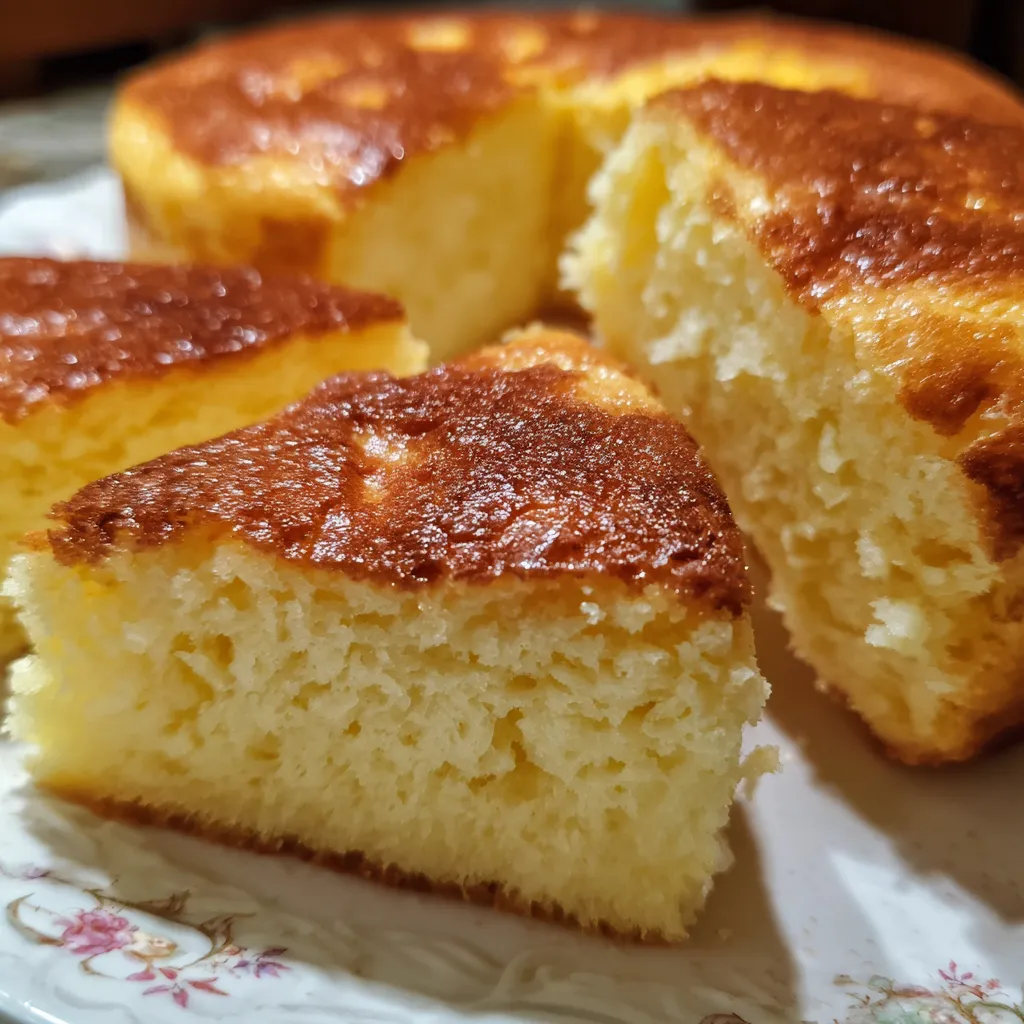
Chinese Egg Cake is a delightful Asian dessert that feels as light as a feather, bringing gentle sweetness and a tender crumb to your table. A fluffy, cloud-like steamed cake with melt-in-your-mouth layers, this classic treat pairs perfectly with your favorite tea or coffee. Whether you serve it warm straight from the steamer or let it cool for an airy, melt-away texture, every bite is an invitation to savor a simple yet satisfying slice of homemade bliss. Give this beginner-friendly recipe a try and discover just how comforting a steamed sponge cake can be!
Before you begin, gather these simple pantry staples to whip up your Chinese Egg Cake:
Steaming a cake might seem unconventional, but it’s the secret to achieving a super-soft, custardy texture without an oven. You’ll whisk, sift, and gently fold your way to a pillowy batter before letting the gentle steam do its magic. Keep everything at the ready—your steamer should be bubbling gently, and the pan lined—so you can pour and steam without delay, resulting in a uniformly risen cake that’s tender all the way through.
1. In a large bowl, whisk the eggs and sugar vigorously until the mixture turns pale and slightly thickened, about 2–3 minutes for good volume.
2. Sift the all-purpose flour and baking powder directly into the egg mixture, then gently fold with a spatula until no streaks remain, preserving the air you’ve whipped in.
3. Stir in the milk, vegetable oil, and vanilla extract, mixing until the batter is smooth and well combined without overworking.
4. Lightly grease a 6- to 8-inch round cake pan and line the bottom with parchment paper to prevent sticking.
5. Pour the batter into the prepared pan and tap it lightly on the counter to release any large air bubbles for an even crumb.
6. Bring water to a rolling boil in a steamer, then reduce to medium heat and carefully place the cake pan inside, ensuring it sits level.
7. Cover the steamer with a lid wrapped in a kitchen towel to prevent condensation from dripping onto the cake, and steam for 20 to 25 minutes.
8. Check doneness by inserting a toothpick into the center; if it comes out clean, the cake is ready. Otherwise, steam an extra 2–3 minutes and test again.
9. Let the cake cool for 5 minutes in the pan before unmolding, then transfer it to a wire rack to cool completely or serve warm.
This Chinese Egg Cake shines on its own but also pairs beautifully with a variety of accompaniments and presentations. Whether you’re hosting an afternoon tea or simply craving a light dessert, these ideas will help you elevate each slice and turn a simple treat into a memorable moment.
A few friendly pointers will have you steaming up flawless, cloud-like cakes every time. These practical tips are based on tried-and-true kitchen habits that keep your cake rising beautifully and tasting its best.
If you have leftovers, storing them correctly will maintain that soft, melt-in-your-mouth quality for as long as possible. A little care goes a long way in prolonging freshness and flavor.
Here are some common questions about Chinese Egg Cake, answered to help you achieve the perfect texture and flavor:
It’s best to use room-temperature eggs because they whip more easily and trap more air, resulting in a lighter, fluffier cake. If your eggs are cold, set them on the counter for about 30 minutes before you start.
Wrap the steamer lid in a clean kitchen towel or cloth before steaming to absorb condensation and prevent drops of water from falling onto the cake, which could create soggy spots or dimples on the surface.
Sinking often happens if the lid is opened during steaming, causing a sudden temperature drop. Make sure to keep the lid closed and maintain medium heat. Also, check that your baking powder is fresh and that you folded the batter gently without deflating it.
You can replace milk with an equal amount of unsweetened yogurt or non-dairy milk for a different flavor. Vegetable oil can be swapped for melted butter or coconut oil, but this may slightly change the cake’s texture and taste.
Insert a clean toothpick into the center of the cake after 20 minutes. If it comes out clean with a few moist crumbs clinging to it, the cake is done. If batter sticks to the toothpick, continue steaming for another 2 to 3 minutes and test again.
Once the cake is completely cool, wrap it tightly in plastic wrap or place it in an airtight container. Store at room temperature for up to one day or refrigerate for up to three days. Reheat by steaming for 5 minutes or warming in a microwave on low power.
Chinese Egg Cake stands out for its unbelievably light, pillowy texture and the simple magic of steaming—no oven required. This beginner-friendly dessert captures the essence of delicate Asian sponge cakes, turning basic ingredients into something irresistibly soft and subtly sweet. Keep this article handy (go ahead, print it!) so you can recreate these fluffy layers whenever the craving strikes. I’d love to hear how your cake turns out—drop a comment, share your tweaks, or ask any questions if you hit a bump. Happy steaming!
Light as a feather and subtly sweet, this steamed egg cake offers pillowy layers that yield to a gentle press, releasing a whisper of vanilla. Perfect warm from the steamer or cooled for an airy, melt-away treat.
Serving Size 6

Hey there! I’m Noah Blake, and welcome to RecipesDive.com — a blog for anyone who’s ready to dive headfirst into real cooking without the intimidation.