

French Butter Cake is a delightful classic that turns any afternoon into a cozy celebration. A tender, golden butter cake with a velvety crumb and subtle vanilla notes, it’s perfect for slicing alongside your favorite cup of tea or coffee. With a light crust that yields to a soft, springy center, the simple ingredients come together to create a melt-in-your-mouth treat that will have everyone asking for seconds. Let’s dive in and bake this easy, yet elegant dessert!
Key Ingredients
Before you get started, let’s meet the stars of this recipe. Each ingredient plays a key role in achieving that perfect balance of flavor and texture:
- 200 grams unsalted butter at room temperature: Provides rich, creamy flavor and a tender crumb when properly creamed with sugar.
- 200 grams granulated sugar: Sweetens the cake and helps create an airy batter during the creaming process.
- 4 large eggs: Add structure, moisture, and help the cake rise beautifully.
- 250 grams all-purpose flour: Forms the base of the cake, giving it body and structure.
- 2 teaspoons baking powder: Acts as a leavening agent to ensure a light, fluffy texture.
- 1/4 teaspoon salt: Balances sweetness and enhances all the flavors.
- 1 teaspoon vanilla extract: Imparts classic vanilla aroma and warmth throughout the cake.
- 2 tablespoons milk: Loosens the batter for a smooth consistency and adds a touch of moisture.
How To Make French Butter Cake
Baking this French Butter Cake is a breeze, even if it’s your first time. You’ll start by preparing your pan and then move on to creaming, folding, and baking. Follow these detailed steps to ensure a perfectly risen cake with a tender crumb:
1. Preheat the oven to 180°C and grease and flour an 8-inch round cake pan, making sure every corner is lightly coated to prevent sticking.
2. In a large bowl, cream the unsalted butter and granulated sugar until light and fluffy—about 3 to 5 minutes—so the cake will have a fine, tender crumb.
3. Add the eggs one at a time, beating well after each addition to fully incorporate air and ensure a smooth batter.
4. Stir in the vanilla extract until the flavor is evenly distributed.
5. Sift the all-purpose flour, baking powder, and salt into the bowl to avoid any lumps and ensure even leavening.
6. Gently fold the dry ingredients into the wet mixture using a spatula, taking care not to overmix and develop too much gluten.
7. Pour in the milk and stir lightly until you have a smooth, cohesive batter.
8. Transfer the batter into the prepared cake pan and smooth the top with a spatula, ensuring an even surface.
9. Bake for 30 to 35 minutes, or until a toothpick inserted into the center comes out clean with just a few moist crumbs attached.
10. Allow the cake to cool in the pan for 10 minutes before carefully transferring it to a wire rack to cool completely.
Serving Suggestions
Once your French Butter Cake is baked to golden perfection, there are so many delightful ways to serve it. Whether you’re hosting a tea party or enjoying a quiet afternoon treat, these ideas will elevate your presentation and taste:
- Serve warm with a dusting of powdered sugar for a simple, elegant finish that highlights the cake’s golden top.
- Pair each slice with a scoop of vanilla ice cream to create a delightful contrast of warm cake and cold cream.
- Top with fresh berries and whipped cream for a burst of color and a light, fruity complement.
- Spread on a thin layer of fruit preserves—apricot or raspberry work wonderfully—to add a sweet-tart twist.
Tips For Perfect French Butter Cake
Nailing this recipe is all about attention to detail and gentle handling of the batter. Here are a few friendly tips to keep in mind as you bake:
- Use room temperature butter and eggs for a smoother batter and more even incorporation of ingredients.
- Do not overmix after adding flour to keep the cake tender; gently fold until just combined.
- Cool the cake slightly before slicing to maintain its shape and prevent crumbling.
- Store in an airtight container at room temperature for up to two days to preserve freshness.
How To Store It
Keeping your French Butter Cake fresh and delicious is simple when you follow these storage methods. Proper storage ensures that each slice tastes just as wonderful as the first day:
- Room Temperature: Once fully cooled, wrap the cake tightly in plastic wrap or place it in an airtight container. It will stay moist and tender for up to two days.
- Refrigeration: If you prefer a chilled slice, wrap the cake well and store it in the fridge for up to five days. Bring back to room temperature before serving for best texture.
- Freezing Whole Cake: Wrap the cooled cake in plastic wrap and aluminum foil, then freeze for up to one month. Thaw overnight in the fridge before enjoying.
- Freezing Individual Slices: Separate slices with parchment paper, wrap individually, and store in a freezer bag. Reheat in the microwave or oven for a warm, fresh-baked feel.
Frequently Asked Questions
Here are some quick answers to common questions about this French Butter Cake:
- How long does it take to prepare and bake this French Butter Cake?
The total time is about 50 to 55 minutes. You’ll need roughly 10 minutes to grease and flour the pan, cream the butter and sugar, add eggs and dry ingredients, plus 30 to 35 minutes of baking at 180°C. Allow an additional 10 minutes of cooling in the pan before transferring the cake to a wire rack.
- What’s the best way to know when the cake is fully baked?
Insert a toothpick into the center of the cake—if it comes out clean or with just a few moist crumbs clinging to it, the cake is done. The top should be lightly golden and spring back slightly when pressed.
- Can I substitute any ingredients in this recipe?
You can swap granulated sugar for an equal amount of light brown sugar for a caramel note, but it may darken the cake. For a dairy-free version, use a vegan butter substitute and plant-based milk; results may vary slightly in texture. Avoid overmixing when using alternative flours to maintain tenderness.
- Why is it important to use room temperature butter and eggs?
Room temperature butter creams more easily with sugar, trapping air for a light, fluffy texture. Cold eggs can cause the batter to separate or curdle, leading to uneven rising and a denser crumb. Allow both to sit at room temperature for at least 30 minutes before starting.
- What happens if I overmix the batter after adding the flour?
Overmixing develops gluten in the flour, resulting in a tough, dense cake rather than a tender crumb. Fold the dry ingredients in gently until just incorporated, leaving a few streaks of flour if needed; they will disappear during baking.
- How should I store leftovers to keep the cake fresh?
Once completely cooled, wrap the cake tightly in plastic wrap or place it in an airtight container at room temperature. It will stay fresh for up to two days. To refresh, warm individual slices in a low oven or microwave for a few seconds.
- Can I add flavor variations or toppings to the cake?
Yes. You can fold in a handful of berries or chocolate chips into the batter before baking. Drizzle the cooled cake with a simple lemon glaze or dust it with powdered sugar. For a nutty twist, sprinkle finely chopped almonds or pistachios on top before baking.
What Makes This Special
This French Butter Cake works its simple magic because of the classic creaming method, room-temperature ingredients, and gentle folding technique that yields a velvety crumb every time. Its buttery richness and delicate vanilla notes make it a crowd-pleaser, whether you’re hosting a fancy tea or snacking solo. Don’t forget to print and save this recipe for those cozy moments when a slice of homemade cake feels like the ultimate treat. I’d love to hear how your cake turns out—drop a comment or question if you give it a try!
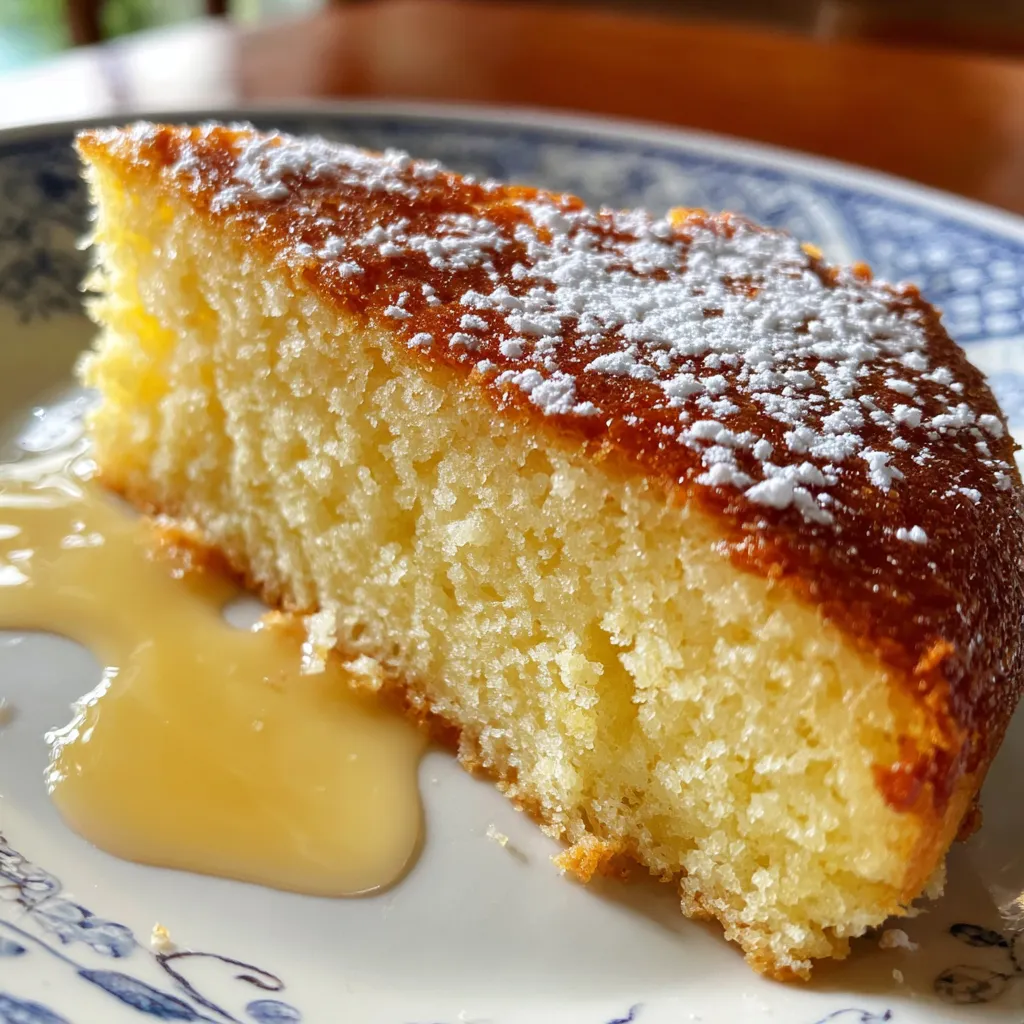

French Butter Cake
Description
This classic French butter cake bakes up with a light crust that yields to a soft, springy center. The aroma of vanilla and warm butter fills your kitchen as the golden batter transforms into a melt-in-your-mouth treat.
Ingredients
Instructions
-
Preheat the oven to 180°C and grease and flour an 8-inch round cake pan.
-
In a bowl, cream the unsalted butter and granulated sugar until light and fluffy.
-
Add the eggs one at a time, beating well after each addition.
-
Stir in the vanilla extract until evenly combined.
-
Sift the all-purpose flour, baking powder, and salt into the bowl.
-
Gently fold the dry ingredients into the wet mixture until just combined.
-
Pour in the milk and stir lightly to create a smooth batter.
-
Transfer the batter into the prepared cake pan and smooth the top.
-
Bake for 30 to 35 minutes, or until a toothpick inserted into the center comes out clean.
-
Allow the cake to cool in the pan for 10 minutes before transferring to a wire rack.
Nutrition Facts
Serving Size 8
- Amount Per Serving
- Calories 54kcal
Note
- Use room temperature butter and eggs for a smoother batter.
- Do not overmix after adding flour to keep the cake tender.
- Cool the cake slightly before slicing to maintain its shape.
- Store in an airtight container at room temperature for up to two days.

