

There is something universally comforting about a cookie that relies on the simplest pantry staples to create a masterpiece. These French butter cookies, or Sablés, are the definition of baking alchemy, transforming humble butter and flour into golden rounds with a texture that is simultaneously crisp and melt-in-your-mouth tender. Whether you are a baking novice or a seasoned pro, the effortless elegance of these treats makes them a must-bake for your kitchen rotation. I honestly can't wait for you to experience that first buttery bite; grab your mixing bowl, and let’s get baking!
Key Ingredients
It is amazing how a handful of basic items can turn into something so luxurious. Since butter is the star here, using high-quality ingredients really pays off. You don't need a long shopping list, just these essentials to create that sandy, delicate texture we all crave.
- 1 cup (230g) unsalted butter, at room temperature
The heart of the recipe that provides the rich flavor and melt-in-your-mouth texture.
- 3/4 cup (90g) powdered sugar
Ensures a tender crumb and helps the cookie hold its shape better than granulated sugar.
- 1 large egg yolk
Adds richness and helps bind the dough together without making it too tough.
- 1 teaspoon pure vanilla extract
Infuses the cookies with a classic, aromatic sweetness that balances the butter.
- 2 cups (250g) all-purpose flour
The structural base that gives the cookies their sandy, delicate crumb.
- 1/4 teaspoon salt
A crucial element that enhances the buttery flavor and cuts through the sweetness.
- 1/2 cup (70g) sugar, for rolling (optional)
Adds a delightful crunch and a sparkly finish to the exterior of the cookies.
- Optional: 1/2 teaspoon almond extract or lemon zest for flavoring
Allows you to customize the flavor profile with a nutty or citrusy twist.
How To Make French Butter Cookies
Making these is surprisingly therapeutic. You aren't wrestling with complex techniques here; it is mostly about treating that butter right. The process involves creaming the butter and sugar to get that perfect aeration, gently mixing in the dry ingredients, and shaping the dough. It is a straightforward method that yields a bakery-quality result. Just remember, patience during the mixing stage pays off in texture!
1. Begin by preheating your oven to 350°F (175°C) and line a baking sheet with parchment paper.
2. In a large mixing bowl, combine the room temperature unsalted butter and powdered sugar. Use a hand mixer or stand mixer to cream them together until the mixture is light and fluffy, which should take about 3-5 minutes.
3. Add the egg yolk and vanilla extract to the butter-sugar mixture. Mix until fully incorporated.
4. In a separate bowl, whisk together the all-purpose flour and salt.
5. Gradually add the dry mixture to the wet mixture, stirring gently until the dough comes together. If using almond extract or lemon zest, mix it in at this stage.
6. Once the dough is formed, it should be soft but not sticky. You may wrap it in plastic wrap and chill it for about 30 minutes if you find it too soft to handle.
7. After chilling (if necessary), scoop tablespoon-sized pieces of the dough, roll them into balls, and then roll them in the additional sugar if desired.
8. Place the dough balls on the prepared baking sheet, leaving space between each cookie as they will spread slightly while baking.
9. Using a fork or the bottom of a glass, gently flatten each ball to about half an inch thick.
10. Bake in the preheated oven for 12-15 minutes or until the edges are lightly golden. The cookies should be soft in the center but firm around the edges.
11. Remove from the oven and allow them to cool on the baking sheet for a few minutes before transferring them to a wire rack to cool completely.
Serving Suggestions
While I admit to eating these straight off the cooling rack, elevating the presentation can make them feel like a fancy Parisian treat. Because they aren't overly sweet, they are incredibly versatile for different times of the day. Whether you are hosting a brunch or just need a quiet moment to yourself, the way you serve these can change the whole experience.
- Classic Tea Time: Serve these alongside a hot cup of Earl Grey or chamomile tea. The sandy texture of the cookie holds up beautifully when dunked or enjoyed between sips, making it the ultimate afternoon pause.
- Espresso Companion: Place a cookie on the saucer of a freshly brewed hot espresso. The rich butter notes cut through the bitterness of the coffee, creating a sophisticated flavor balance perfect for morning energy.
- Elegant Dessert Platter: Arrange the cookies on a platter with fresh berries and a small bowl of lemon curd. The crisp edges of the cookies provide a lovely contrast to the soft fruit and creamy tartness of the dip.
- Ice Cream Sandwich Base: Take two cooled cookies and sandwich a scoop of vanilla bean ice cream between them. The sturdy yet soft nature of these rounds keeps the sandwich together without breaking immediately, offering a decadent treat.
Tips For Perfect French Butter Cookies
Even the simplest recipes have little secrets that take them from good to absolutely unforgettable. I have found that paying attention to small details, like storage or flavor tweaks, makes a world of difference. These cookies are very forgiving, but a few smart adjustments can tailor them exactly to your taste preferences.
- Flavor Variations: These cookies can be customized by incorporating different extracts or citrus zest for additional flavor, allowing you to change the profile from vanilla to almond or lemon easily.
- Adding Crunch: If you would like to add a little crunch, consider rolling the cookies in crushed nuts or adding chopped chocolate, which adds a delightful texture contrast to the soft center.
- Proper Storage: Store the cookies in an airtight container to keep them fresh for up to a week, ensuring you can enjoy that bakery-fresh taste for days after baking.
- Social Serving: French butter cookies are often enjoyed with tea or coffee, making them a delightful treat for social gatherings where you want to offer a sophisticated yet simple snack.
How To Store It
If you manage not to eat the entire batch in one sitting (which is a real challenge, believe me), you will want to make sure the leftovers stay just as crisp and delicious as day one. Butter-based cookies can go soft if not stored correctly, so a little care here preserves that lovely sandy texture.
- Cool Completely: Before you even think about storage, ensure the cookies have cooled completely on a wire rack. Any residual heat will create condensation in the container, turning your crisp cookies soggy.
- Airtight Container: The best vessel for these treats is a sealed airtight container. This prevents humidity from the air from softening the cookies and protects that delicate buttery flavor.
- Room Temperature: Keep the container at room temperature in a dry place. There is no need to refrigerate baked cookies, as the cold environment can actually dry them out faster or alter the texture.
- Layering: If you need to stack the cookies to fit them all in, place a sheet of parchment paper between the layers. This prevents them from sticking together or crumbling under their own weight.
Frequently Asked Questions
I know questions pop up even with the easiest recipes, so I have gathered the most common ones here to help you out. Here is everything you need to know to get these right the first time!
- Q: What should I do if the dough is too soft to handle after mixing?
A: If the dough feels too soft or sticky to handle immediately after mixing, you should wrap it in plastic wrap and chill it in the refrigerator for about 30 minutes. This step helps the dough firm up so you can easily scoop it and roll it into balls.
- Q: How can I tell when the cookies are finished baking?
A: The cookies are done baking when the edges become lightly golden, which typically takes between 12 to 15 minutes at 350°F (175°C). The texture should be firm around the edges but the center should remain soft when you remove them from the oven.
- Q: Is it possible to customize the flavor or texture of these cookies?
A: Yes, you can customize the flavor by mixing in optional ingredients like 1/2 teaspoon of almond extract or lemon zest during step 5. To alter the texture or add crunch, the recipe notes suggest adding chopped chocolate to the dough or rolling the cookies in crushed nuts.
- Q: Why is it necessary to cream the butter and powdered sugar for 3 to 5 minutes?
A: Creaming the room temperature unsalted butter and powdered sugar for 3 to 5 minutes is a critical step to ensure the mixture becomes light and fluffy. This process incorporates air into the dough, which contributes to the final texture of the French butter cookies.
- Q: How should the cookies be stored to maintain freshness?
A: To keep the cookies fresh, allow them to cool completely on a wire rack and then store them in an airtight container. According to the recipe notes, they will stay fresh for up to a week when stored this way.
- Q: Do I use the granulated sugar inside the dough mixture?
A: No, the 1/2 cup (70g) of granulated sugar is specifically for rolling the dough balls in before baking. The dough itself is sweetened using the 3/4 cup (90g) of powdered sugar.
What Makes This Special
These cookies are the little black dress of the baking world—classic, elegant, and perfect for any occasion. Why this recipe works is simple: it lets the butter shine without complicating things. I really hope you give these a try; your kitchen is going to smell better than a French bakery! Don't forget, you can print this article or save it to your favorites so you are always ready when the cookie craving strikes. If you bake a batch, I would love to hear how they turned out. Drop a comment below with your questions or feedback, or just to tell me how many you ate in one sitting!
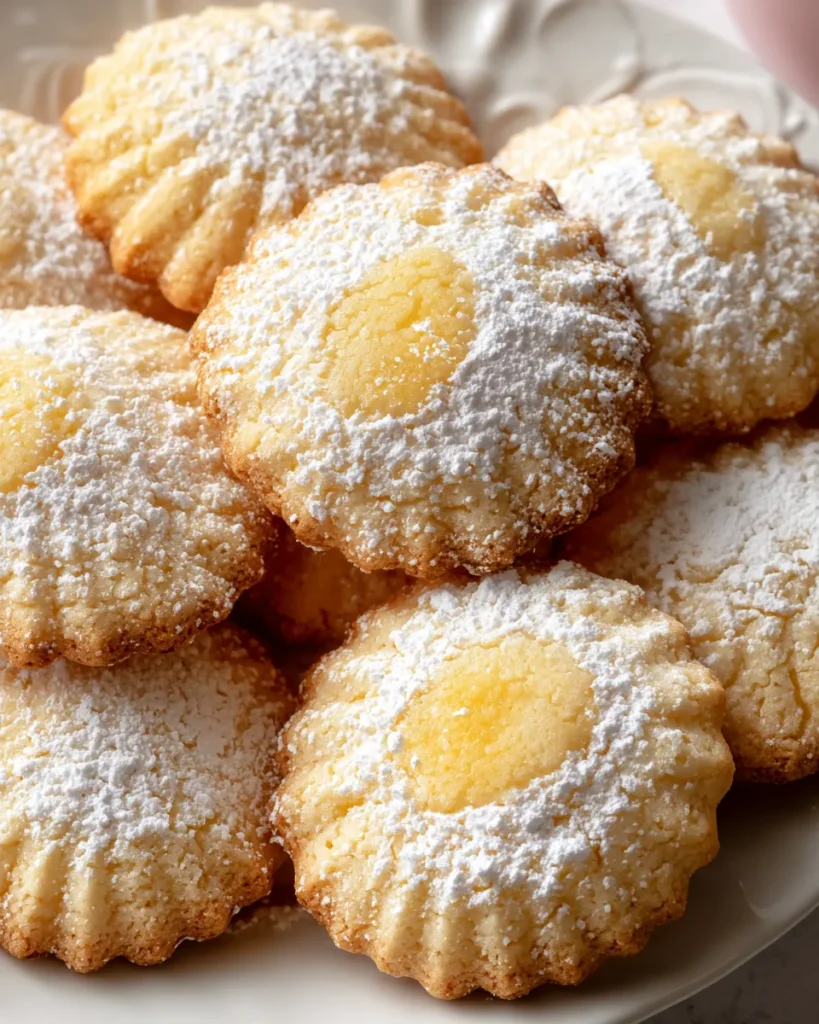

French Butter Cookies
Description
Crisp edges give way to a soft, sandy center in these buttery rounds. Rolled in sugar for a subtle crunch, they pair perfectly with a hot espresso or afternoon tea.
Ingredients
Instructions
-
Begin by preheating your oven to 350°F (175°C) and line a baking sheet with parchment paper.
-
In a large mixing bowl, combine the room temperature unsalted butter and powdered sugar. Use a hand mixer or stand mixer to cream them together until the mixture is light and fluffy, which should take about 3-5 minutes.
-
Add the egg yolk and vanilla extract to the butter-sugar mixture. Mix until fully incorporated.
-
In a separate bowl, whisk together the all-purpose flour and salt.
-
Gradually add the dry mixture to the wet mixture, stirring gently until the dough comes together. If using almond extract or lemon zest, mix it in at this stage.
-
Once the dough is formed, it should be soft but not sticky. You may wrap it in plastic wrap and chill it for about 30 minutes if you find it too soft to handle.
-
After chilling (if necessary), scoop tablespoon-sized pieces of the dough, roll them into balls, and then roll them in the additional sugar if desired.
-
Place the dough balls on the prepared baking sheet, leaving space between each cookie as they will spread slightly while baking.
-
Using a fork or the bottom of a glass, gently flatten each ball to about half an inch thick.
-
Bake in the preheated oven for 12-15 minutes or until the edges are lightly golden. The cookies should be soft in the center but firm around the edges.
-
Remove from the oven and allow them to cool on the baking sheet for a few minutes before transferring them to a wire rack to cool completely.
Nutrition Facts
Serving Size 24
- Amount Per Serving
- Calories 6kcal
Note
- These cookies can be customized by incorporating different extracts or citrus zest for additional flavor.
- If you would like to add a little crunch, consider rolling the cookies in crushed nuts or adding chopped chocolate.
- Store the cookies in an airtight container to keep them fresh for up to a week.
- French butter cookies are often enjoyed with tea or coffee, making them a delightful treat for social gatherings.

