

Rustic artisan einkorn bread embodies the kind of cozy kitchen magic that makes you pause and savor the moment before every slice. This simple, no-fuss loaf brings together an ancient grain’s gentle sweetness and a hearty chew that feels like a warm hug from the inside out. When you score that dough and slide it into a preheated Dutch oven, there’s a hush of anticipation—knowing that, in about 45 minutes, you’ll pull out a crackling, golden masterpiece. By the time you lift the lid, the crust has turned a deep amber, and the steam billows up, carrying a whisper of nutty richness that promises pure satisfaction. Over the years, I’ve lost track of how many times I’ve woken up to the sight of bubbling dough rising in my bowl—an overnight process that somehow makes life feel kinder and the mornings taste a little sweeter.
If you’ve ever wanted to take a break from store-bought loaves and bake something that feels truly homemade, this beginner-friendly recipe is calling your name. It requires just a handful of pantry staples—whole grain einkorn flour, sea salt, instant yeast, and warm water—plus a sprinkle of cornmeal or extra flour for that perfect release. The long, leisurely fermentation (anywhere from 12 to 18 hours) develops a dreamy texture and depth of flavor you simply can’t fake. Whether you’re setting it on the table at lunch with sharp cheese and juicy tomatoes or tearing off chunks to dunk into your favorite soup at dinner, each 200-calorie slice offers a delightful balance of rustic charm and wholesome goodness. Trust me, once you taste that slightly sweet, nutty crumb and hear the crisp crack beneath your fingers, you’ll wonder why you didn’t start baking with einkorn sooner.
KEY INGREDIENTS IN RUSTIC ARTISAN EINKORN BREAD
Every great loaf begins with quality components that work in harmony. For this rustic artisan einkorn bread, we keep things simple so each ingredient can shine through in flavor and texture:
- Whole Grain Einkorn Flour
This ancient grain brings a uniquely mild, nutty flavor and a soft, chewy crumb. Compared to modern wheat, einkorn has a slightly higher protein content and is easier to digest, making it the star of our loaf.
- Sea Salt
Beyond seasoning, salt plays a crucial role in strengthening gluten structure and regulating yeast activity. It balances the natural sweetness of the einkorn and ensures a well-developed crust.
- Instant Yeast
Offering reliable lift with minimal fuss, instant yeast integrates seamlessly into the flour mixture. Its fine granules dissolve quickly, jumpstarting fermentation without the need for proofing.
- Warm Water
At about 100°F, warm water activates the yeast and hydrates the flour. The temperature is gentle enough to encourage a slow rise, allowing flavors to develop over 12–18 hours.
- Cornmeal or Additional Flour (for dusting)
A light dusting on your work surface or parchment prevents sticking and adds rustic charm. It creates a subtle textural contrast on the loaf’s base, giving every slice a delightful little crunch.
HOW TO MAKE RUSTIC ARTISAN EINKORN BREAD
Creating this loaf is delightfully hands-off, yet each step is packed with purpose. From whisking together the dry ingredients to coaxing the dough into a golden crust in your heated Dutch oven, every moment contributes to that classic artisan character.
1. In a large mixing bowl, whisk together the einkorn flour, sea salt, and instant yeast until well combined and evenly distributed.
2. Gradually add the warm water to the dry ingredients, stirring with a wooden spoon until a shaggy ball forms. Resist the urge to overmix—the dough should remain sticky and somewhat loose.
3. Cover the bowl with a clean kitchen towel or plastic wrap, and let the dough rise at room temperature for 12–18 hours. You’ll know it’s ready when it has doubled in size and bubbles dot the surface.
4. Generously flour a work surface and gently turn out the dough, folding it only a few times to shape a loose ball. Handle it with care to preserve all those delicate gas pockets.
5. Line a baking sheet or pizza peel with parchment paper and dust with cornmeal or flour. Place the dough seam side down on the prepared surface.
6. Cover the dough with the towel again and let it rise for another 1–2 hours until noticeably puffed.
7. Preheat your oven to 450°F (230°C), placing a Dutch oven or heavy oven-proof pot with its lid inside to heat for about 30 minutes.
8. Using oven mitts, carefully remove the hot Dutch oven, lift off the lid, and quickly transfer the dough—parchment paper and all—into the pot.
9. Cover with the lid and bake for 30 minutes. Then, remove the lid and bake for an additional 10–15 minutes, or until the bread is a rich golden brown and sounds hollow when tapped on the bottom.
10. Remove the bread from the pot and allow it to cool completely on a wire rack before slicing. This resting period ensures the crumb sets perfectly.
SERVING SUGGESTIONS FOR RUSTIC ARTISAN EINKORN BREAD
Once your loaf has cooled, the real fun begins—finding delicious ways to enjoy each slice! This bread’s nutty sweetness and chewy texture make it a versatile canvas for countless flavor combinations.
- Spread each slice with room-temperature cultured butter, letting it melt into the warm crumb for a simple yet indulgent treat. A sprinkle of flaky sea salt on top takes it to the next level.
- Drizzle lightly with wildflower honey and top with a scattering of crushed pistachios or toasted almonds. The contrast between sweet, nutty, and crunchy elevates breakfast or afternoon tea.
- Build a hearty open-faced sandwich with creamy goat cheese, thinly sliced roasted beets, and a few fresh thyme leaves. The bread’s chewiness stands up beautifully to moist toppings.
- Serve alongside a steaming bowl of tomato basil soup or creamy potato leek chowder. Tear off chunks and dip into the broth, letting the crust soak up every last savory drop.
HOW TO STORE RUSTIC ARTISAN EINKORN BREAD
Keeping that just-baked freshness isn’t always easy, but a few simple strategies will help you preserve your loaf’s crust and crumb for as long as possible.
- Wrap the cooled loaf in a linen bread bag or a clean, lint-free kitchen towel. This breathability maintains the crust’s crispness while protecting the interior from drying out for up to 2–3 days.
- For slightly longer storage, place the wrapped loaf inside a paper bag, then set the paper bag in a loose plastic bag. This doubles as a moisture barrier without sealing in too much humidity.
- To enjoy your bread at its best beyond a few days, freeze individual slices or the whole loaf. Wrap tightly in plastic wrap, then cover with aluminum foil or place in a freezer-safe bag. Thaw at room temperature or pop slices directly into the toaster.
- Avoid refrigerating your loaf, as the cold environment accelerates staling and draws moisture out of both crust and crumb, resulting in a dry, rubbery texture.
CONCLUSION
Baking this Rustic Artisan Einkorn Bread transforms everyday ingredients into something truly memorable. From the moment you whisk together whole grain einkorn flour, sea salt, and instant yeast, you’re setting your kitchen up for a cozy, slow-rise overnight adventure. With just four simple ingredients and a dash of cornmeal for dusting, this beginner-friendly recipe guides you through a no-knead process that rewards your patience with a golden, crackling crust and a delightfully chewy, nutty crumb. Whether you’re slicing into buttered toast at dawn, layering up a savory sandwich at lunchtime, or soaking it in your favorite dinner soup, each 200-calorie slice offers both comfort and nourishment. The long fermentation time enhances flavor, while the heated Dutch oven technique ensures that signature artisan loft and crisp exterior we all adore.
Feel free to print and save this guide so you can return to it whenever you crave a loaf of wholesome, homemade bread. Below the recipe you’ll find an FAQ section to help with common questions like alternate flours, rise times in warmer climates, or troubleshooting sticky dough. If you give this recipe a try—or if you have suggestions for flavor variations, tips for quicker rises, or simply want to share how your first bake turned out—please leave a comment, ask a question, or send feedback. I’d love to hear about your einkorn baking adventures and help troubleshoot any hurdles you encounter on your journey to homemade artisan bread bliss. Happy baking!
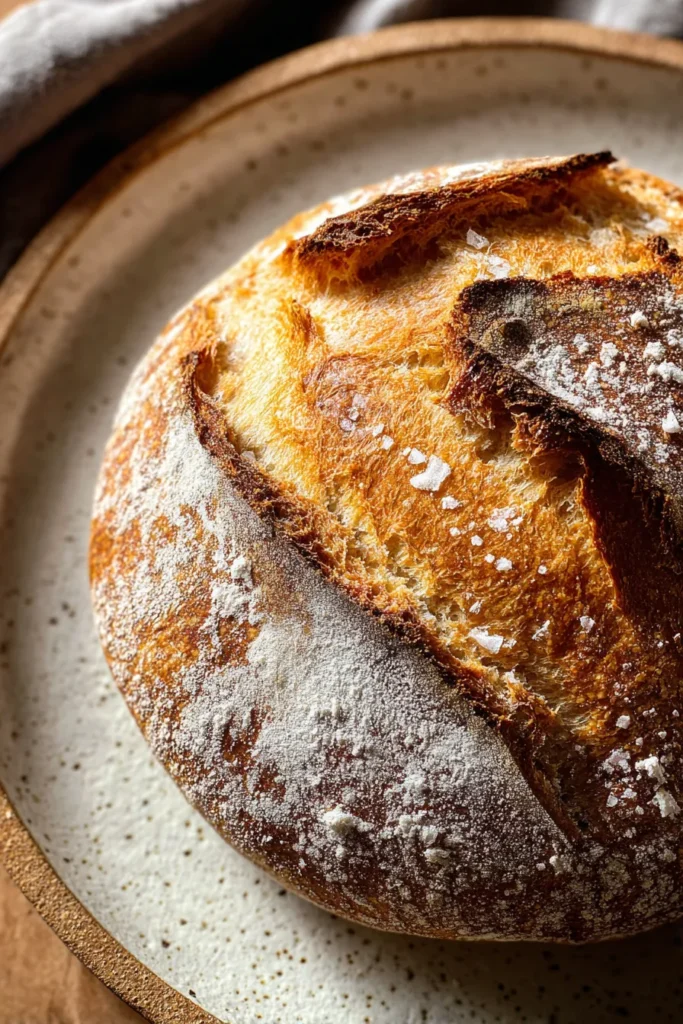

Rustic Artisan Einkorn Bread
Description
This rustic artisan einkorn bread boasts a deliciously nutty flavor and a lovely chewy crust. Perfect for sandwiches or with butter, it’s a bread lover’s dream come true.
Ingredients
Instructions
-
In a large mixing bowl, whisk together the einkorn flour, sea salt, and instant yeast until well combined.
-
Gradually add the warm water to the dry ingredients, stirring with a wooden spoon until a shaggy ball forms. Do not overmix; the dough will be sticky and somewhat loose.
-
Cover the bowl with a clean kitchen towel or plastic wrap, and let the dough rise at room temperature for 12-18 hours. The dough is ready when it has doubled in size and appears bubbly on the surface.
-
Generously flour a work surface and gently turn out the dough, folding it just a few times to form a loose ball. Be gentle to avoid deflating the dough.
-
Line a baking sheet or a pizza peel with parchment paper and dust with cornmeal or flour. Place the dough on the prepared surface, seam side down.
-
Cover the dough with the towel and let it rise for another 1-2 hours until it has puffed up.
-
Preheat the oven to 450°F (230°C), and place a Dutch oven or heavy oven-proof pot with its lid inside the oven to heat up for about 30 minutes.
-
Carefully remove the hot Dutch oven from the oven, remove the lid, and quickly and gently transfer the dough, along with the parchment paper, into the pot.
-
Cover the pot with the lid and bake for 30 minutes. Then remove the lid and bake for an additional 10-15 minutes, or until the bread is golden brown and sounds hollow when tapped on the bottom.
-
Remove the bread from the pot and allow it to cool completely on a wire rack before slicing.
Nutrition Facts
Serving Size 16
- Amount Per Serving
- Calories 16kcal
Note
- Einkorn flour has a slightly sweet and nutty flavor, which adds a unique taste to this bread.
- This recipe does not require kneading, making it perfect for those who enjoy simple, hands-off bread making.
- The lengthy fermentation time enhances the natural flavors and textures of the einkorn flour.
- This bread pairs wonderfully with a variety of toppings, such as butter, honey, or cheese.
- Always allow the bread to cool fully before slicing to ensure the best texture and crumb.

